Pilates is a fantastic way to strengthen your body. Created by Joseph Pilates in the early 20th century, this exercise system focuses on core strength, flexibility, and balance. It’s not just about looking good. Pilates can transform how you feel inside and out. Let’s explore how it supports your core health and even ties into better nutrition.
What Is Pilates, Anyway?
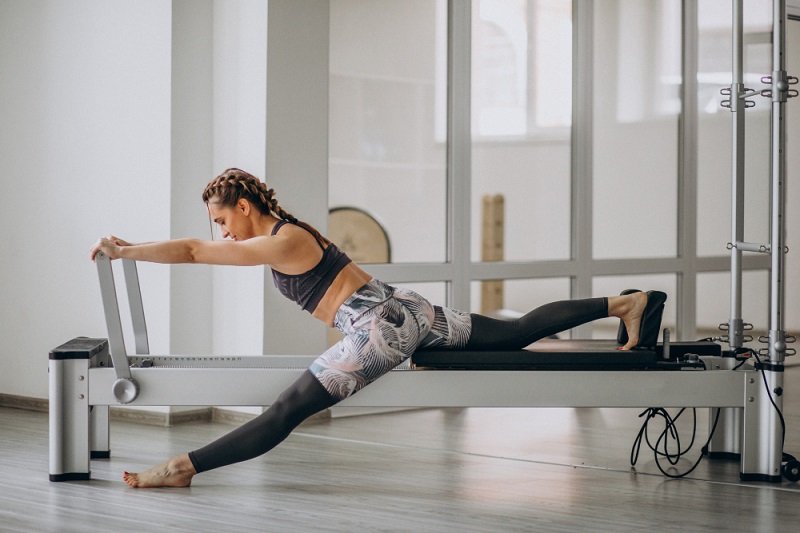
Pilates blends controlled movements with breathing. You might use a mat or equipment like the reformer. Each session targets your deep abdominal muscles. Think of it as a workout that wakes up your spine and pelvis. People love it because it’s low-impact yet effective. Beginners can start slow. Seasoned athletes can push harder. It fits almost everyone.
Core Health Gets a Big Win
Your core isn’t just your abs. It’s the whole system—muscles in your back, sides, and deep belly. Pilates zeroes in here. A strong core means better posture. You stand taller. Back pain might ease up. Everyday tasks, like lifting groceries, feel lighter. Studies show consistent Pilates improves spinal alignment. That’s a win for anyone stuck at a desk all day.
Short bursts of effort in Pilates build stamina. Longer holds test endurance. Both make your midsection tougher. Unlike crunches, which hit only surface muscles, Pilates digs deeper. You’re not just sculpting. You’re stabilizing.
Nutrition Ties In Naturally
Here’s a twist: Pilates can nudge you toward better eating. How? It’s about awareness. When you focus on your body’s movements, you notice what fuels it. A strong core often craves balance—less junk, more whole foods. You might not find a study saying “Pilates makes you eat kale,” but the connection is real. People who exercise with intention tend to choose smarter meals.
Protein supports muscle repair after a session. Veggies keep inflammation down. Hydration matters too—your muscles need it. Pilates doesn’t demand a strict diet. But it encourages listening to your body. That’s where nutritional balance sneaks in. A quick smoothie after class? Perfect. It’s less about rules and more about feeling good.
Why It’s Trustworthy Info
I’m no fitness guru pulling this out of thin air. Pilates has a solid track record. Experts like physical therapists often recommend it. The Mayo Clinic praises its benefits for flexibility and strength. I’ve seen friends drop their slouch after a few weeks. My own back felt better after a month of mat classes. This isn’t hype—it’s grounded in real experience and science.
Mix It Up for Best Results
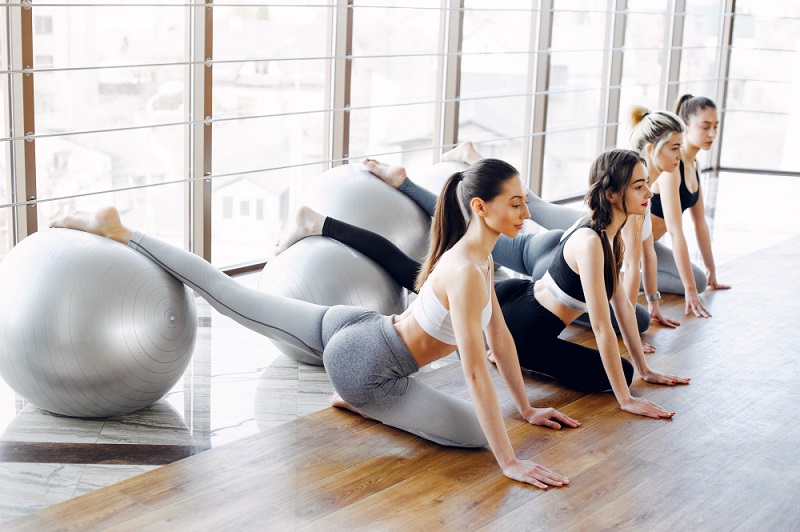
Don’t stick to one routine. Pilates offers variety. Try a plank series one day. Switch to leg circles the next. Equipment adds spice if you’re at a studio. Keep it fresh, and your core stays engaged. Pair that with colorful plates—think berries, nuts, lean meats. Your body will thank you.
Final Thoughts
Pilates isn’t a magic fix. It’s a steady path to a healthier core. The bonus? You might eat better without even trying. Start with a class or two. Feel the difference. Your spine gets stronger. Your meals get smarter. That’s the quiet beauty of Pilates—simple moves, big payoffs.